The Real Cost of Buying Property in South Africa (And How to Plan for It)
One of the most important conversations I have with buyers—especially first-time or cash-heavy purchasers—is not just about the purchase price… but the true cost of acquiring a property.
Because the reality is: what you see on the listing is not always what you pay.
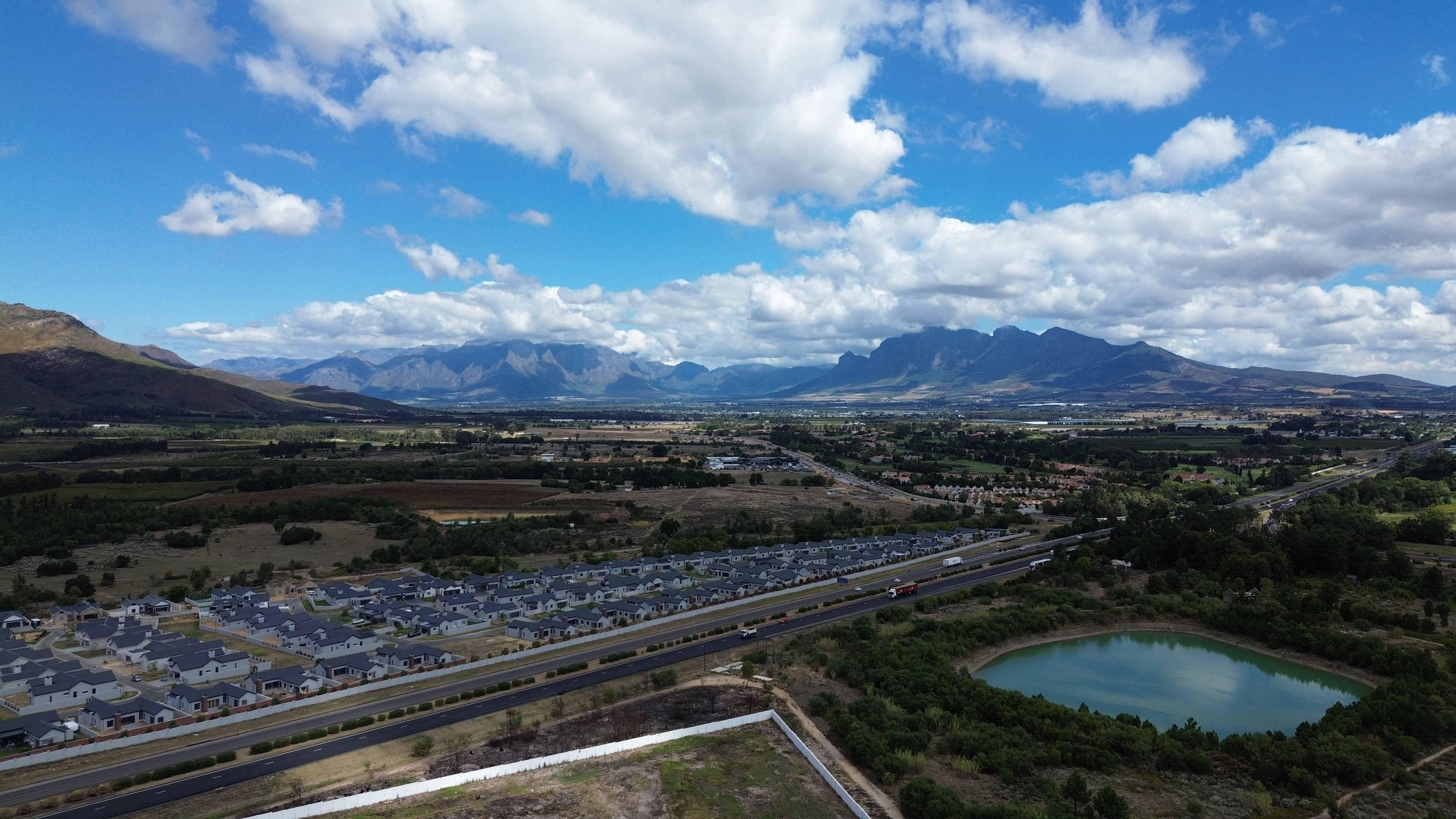
Just this week, I sat with a buyer I’ve been working closely with, running through her options between purchasing a resale home versus buying directly from a developer at Wilde Paarde Estate here in Paarl. It was such a practical example of how understanding closing costs can completely shift your buying strategy.
Who Pays What in a Property Transaction?
In South Africa, the cost split is fairly standard:
Buyers typically pay:
Transfer duty (if applicable)
Transfer attorney fees
Bond registration costs (if financing is involved)
Deeds Office fees
Sellers typically pay:
Estate agent commission
Compliance certificates (electrical, gas, electric fence, etc.)
Rates clearance costs (to obtain the Rates Clearance Certificate)
These are not small numbers—and if you don’t plan for them upfront, they can come as an unwelcome surprise.
The Hidden Advantage of Buying from a Developer
This is where my client had a bit of a lightbulb moment.
We looked at a property priced at R4,750,000 in Wilde Paarde Estate. She has a substantial deposit of R3,000,000, which means she only needs a bond of R1,750,000.
Now here’s where it gets interesting.
If she were to buy a resale property at that price, she would typically need to budget for:
Transfer duty (on a sliding scale)
Transfer attorney fees
Bond registration costs
This can easily add hundreds of thousands of rands to her upfront cash requirement.
But because the Wilde Paarde property is purchased directly from the developer, the structure is completely different:
No transfer duty (VAT is included in the price)
Transfer attorney fees are included
No conveyancing costs on transfer
That’s a massive saving—and one that often tips the scale for buyers who want to preserve liquidity.
What About Bond Costs?
Even though the transfer side becomes more efficient, bond costs still apply when financing is involved.
For my client’s R1,750,000 bond, we worked through:
Bond registration attorney fees
Deeds Office charges
Bank initiation fees
While these costs are significantly lower than full transfer + bond costs combined, they still need to be factored in.
The key takeaway?
Even with a large deposit, financing a portion of the purchase still comes with its own set of costs—but they are far more manageable when you’re not also paying transfer duty and transfer fees.
Rates Clearance & Why It Matters
Another area that often confuses buyers (and even some sellers) is the Rates Clearance Certificate (RCC).
This is a legal requirement for transfer.
The seller must settle all municipal accounts (rates, water, electricity, etc.)
They also need to pay in advance for a period (usually around 60 days)
The transferring attorney handles the process with the municipality
Only once this certificate is issued can the property transfer be registered.
It’s one of those behind-the-scenes processes that can delay a transaction if not handled correctly—but when managed well, it keeps everything moving smoothly.
Compliance Certificates: Small Details, Big Impact
From electrical compliance to gas and electric fencing, these certificates are essential for transfer.
While they’re typically the seller’s responsibility, I always advise my clients—on both sides—to proactively check:
Are all installations compliant?
Are building plans approved?
Are there any zoning or boundary issues?
Because any of these can delay a sale—or worse, derail it completely.
My Advice to Buyers
If there’s one thing I always recommend, it’s this: Ask for a full cost breakdown upfront.
Before you sign an offer, before you emotionally commit—get clarity.
In my client’s case, understanding the difference between a resale purchase and a developer purchase didn’t just save her money… it gave her confidence.
And confident buyers make better decisions.
If you’re currently exploring property in Paarl or the Cape Winelands and want a clear, honest breakdown of what your purchase will actually cost—reach out to me. I’ll walk you through it step by step, just like I did this week.
Because buying property should feel exciting… not overwhelming.
Explore Paarl listings
About the Author:
Margot van Wyk is prominent South African real estate professional, television presenter, and publicist based in Paarl, Western Cape. She is widely recognised as the host of the property reality show "Kyk of Koop?" on VIA TV (DSTV channel 147). For the past couple of years she has been with eXp Realty and crowned CAP Agent in 2026. She specialises in country estate living, luxury homes, lifestyle farms, and residential property in Paarl and the Cape Winelands. With over a decade of experience in public relations and property marketing, she provides insight into local property trends and investment opportunities.
Related Articles